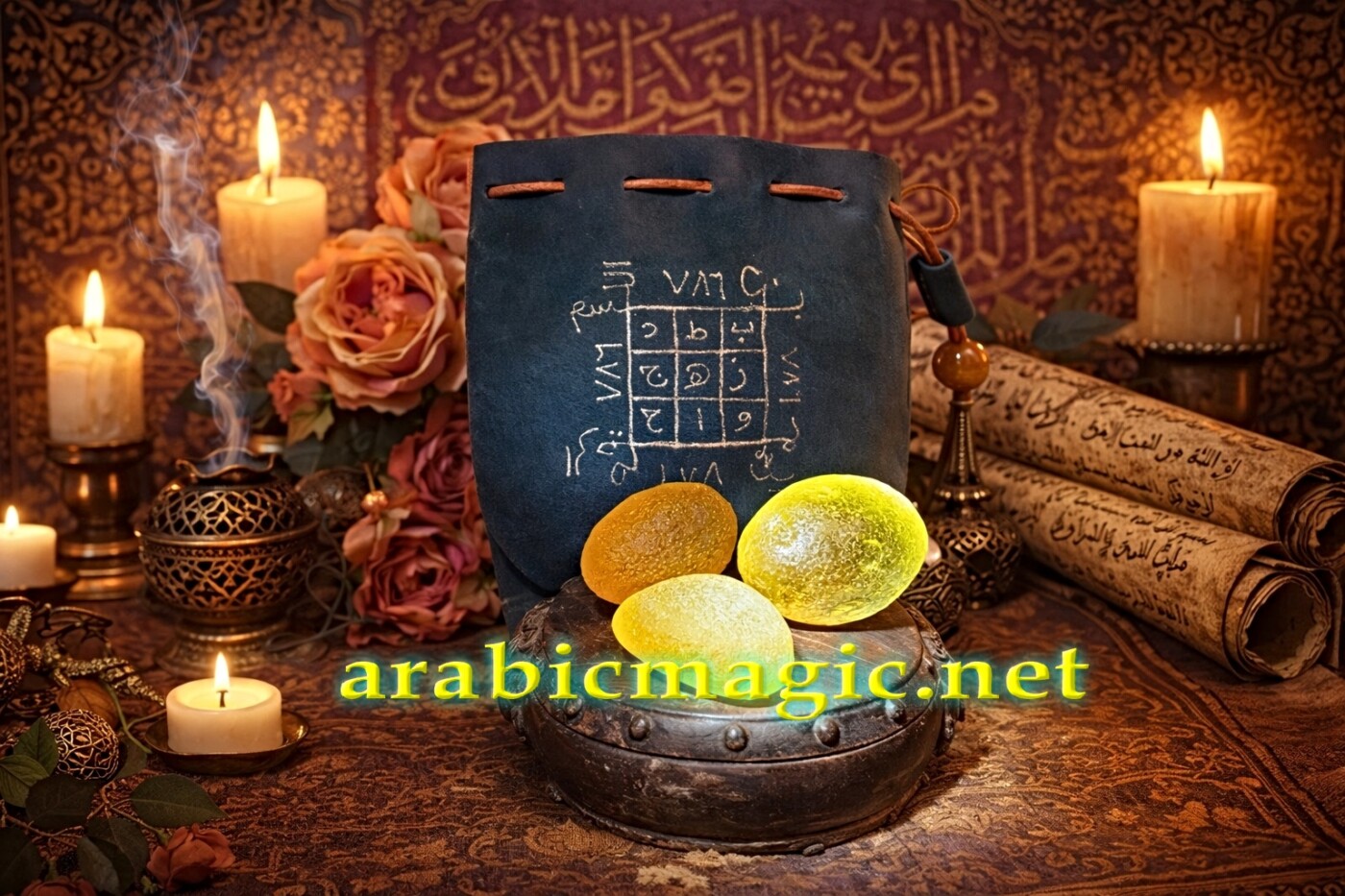
The Flowers of Fate, Zahret al-Qadr Rare Magical Pearls, Fortune, Extreme Protection & Divine Favor
€300.00
In stock
Description
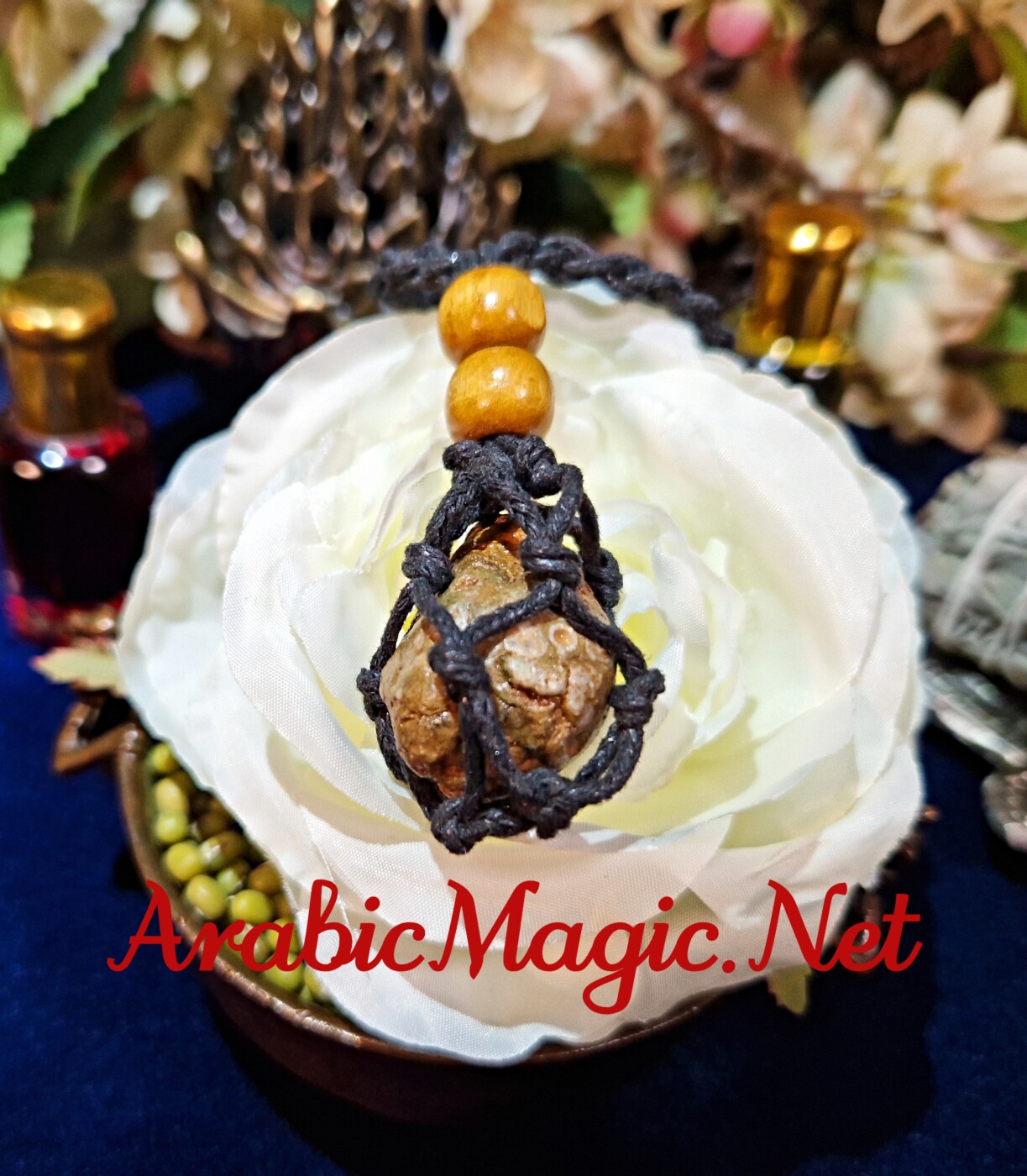
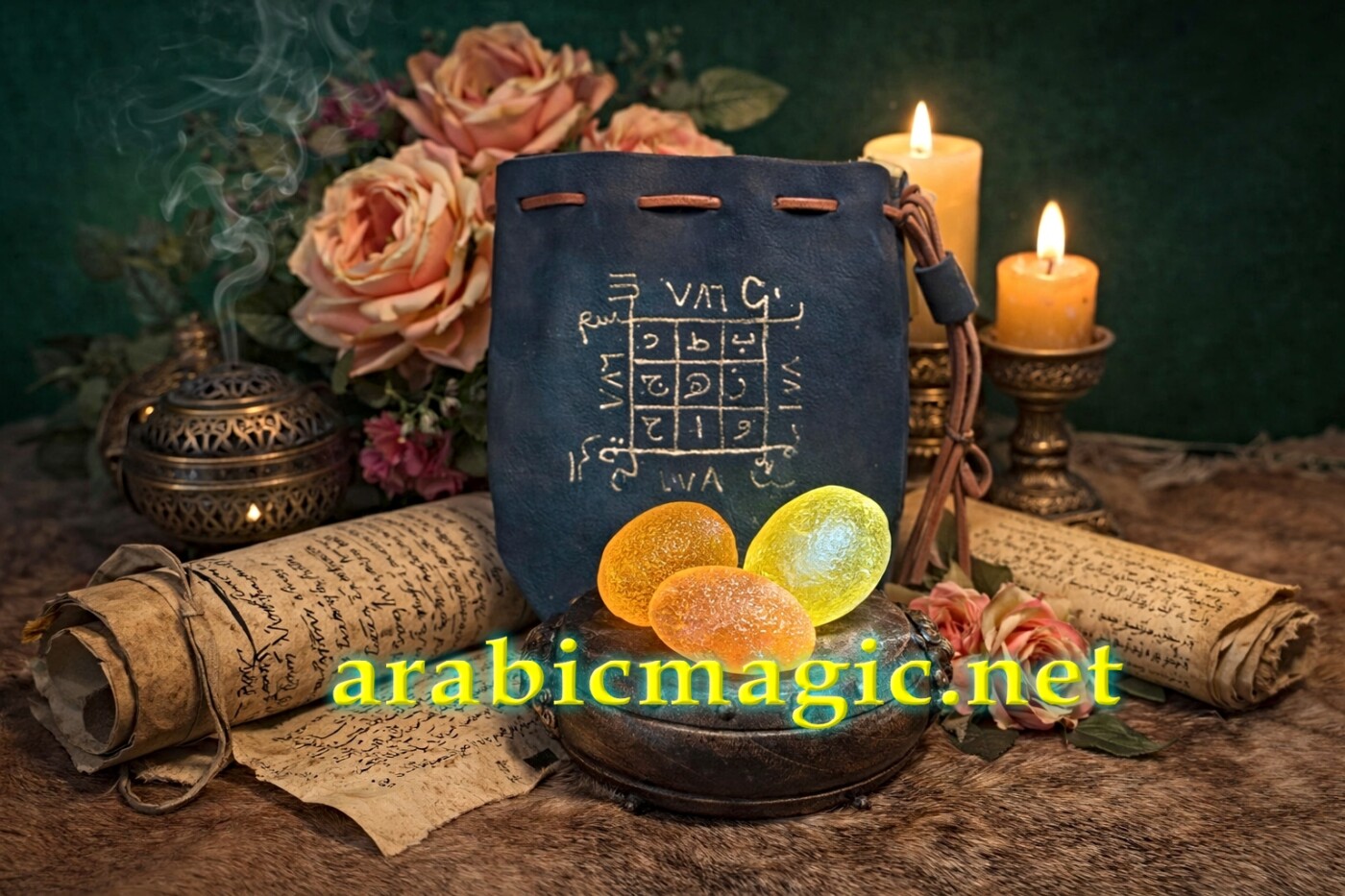
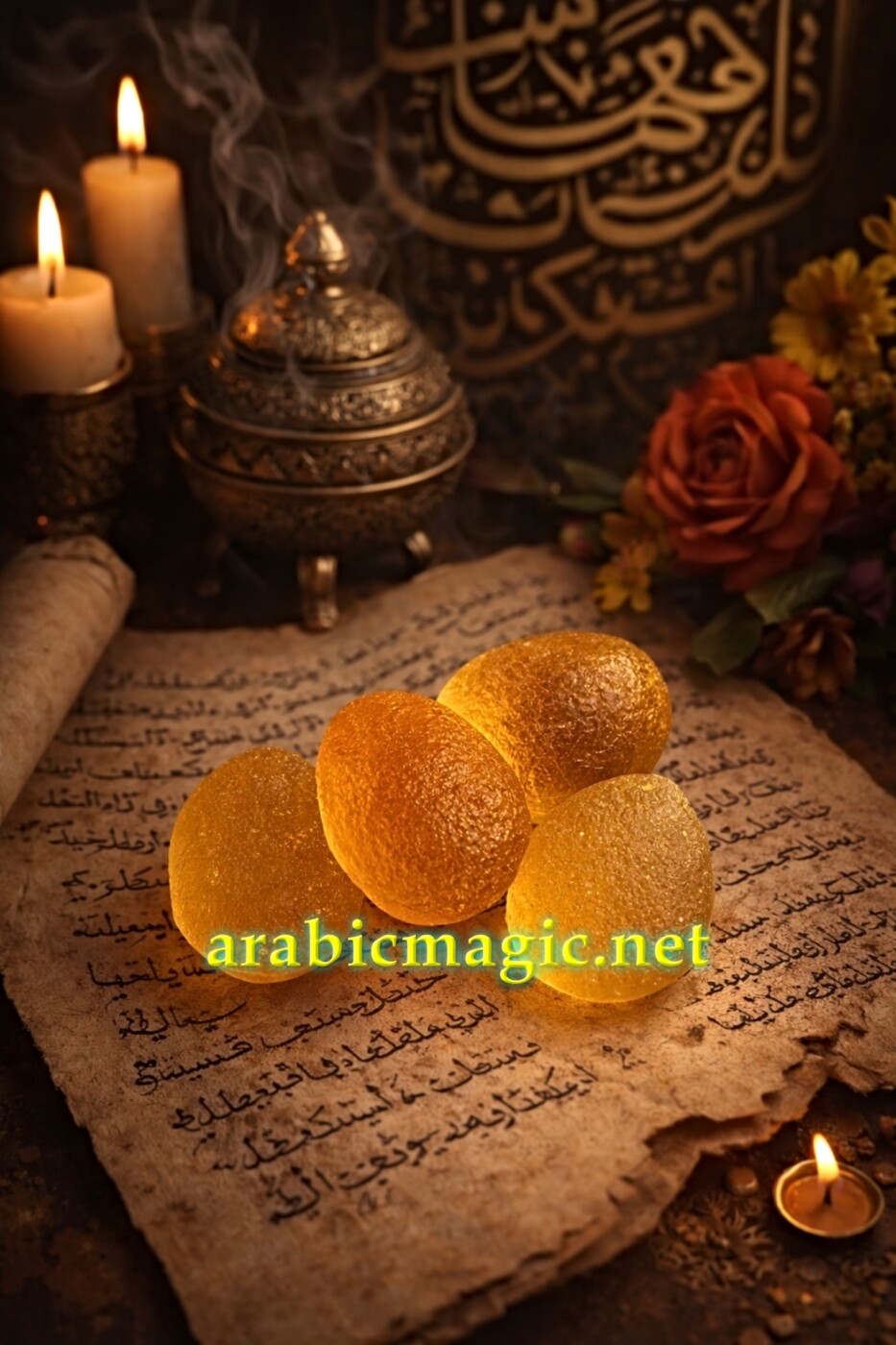
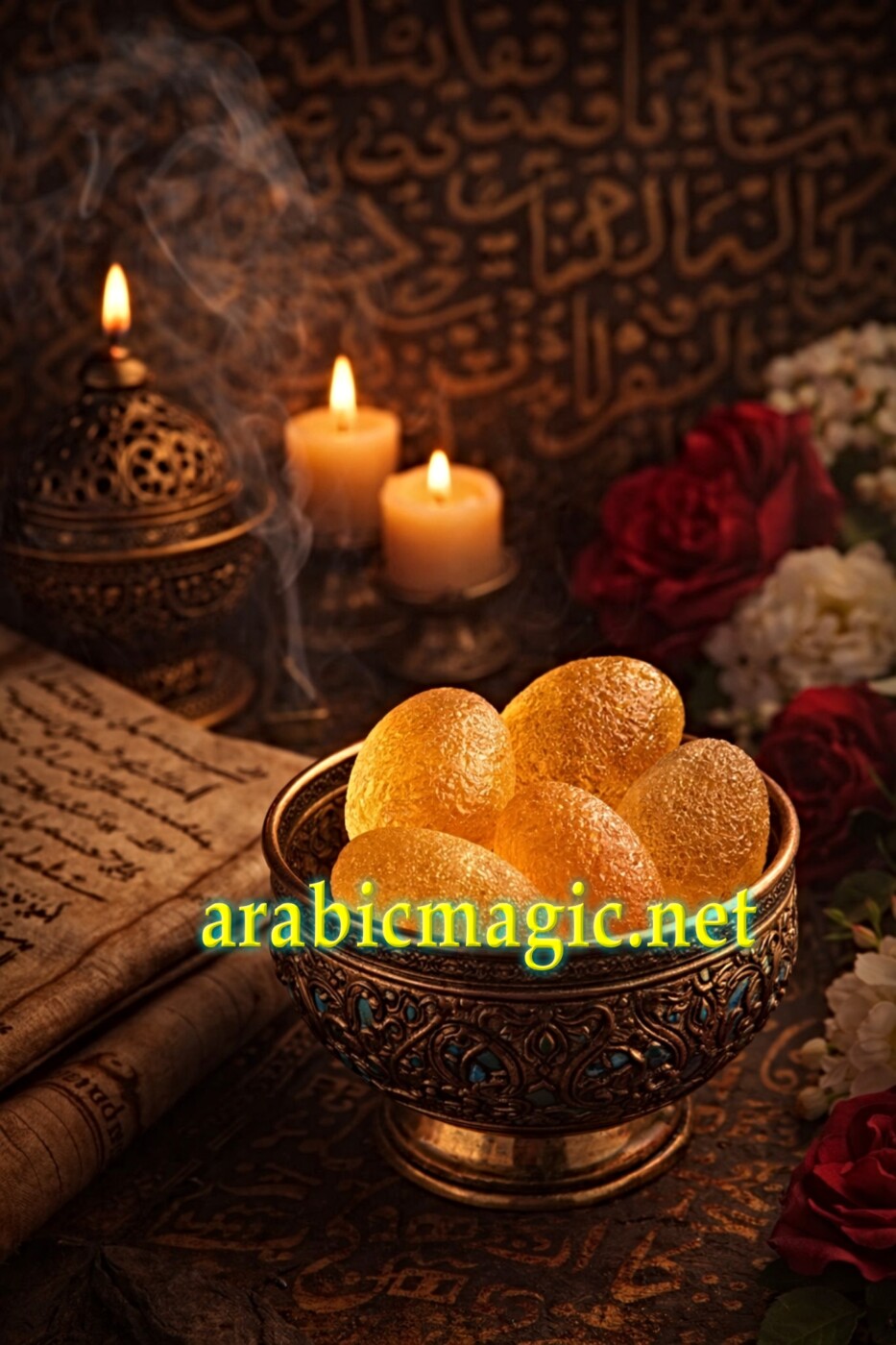
They were called Zahret al-Qadr, the Flowers of Fate. Not because they looked like flowers, but because they appeared where nothing else dared to grow. In the deepest stretches of the Sahara, where sand erased footsteps within minutes and the sky felt too close, these yellow pearls were said to surface after rare desert storms. The elders described them as smooth, warm to the touch, and faintly luminous at dawn. No one claimed to have made them. No one admitted to owning one for long. They passed from hand to hand, from life to life, like a promise that never fully belonged to anyone.
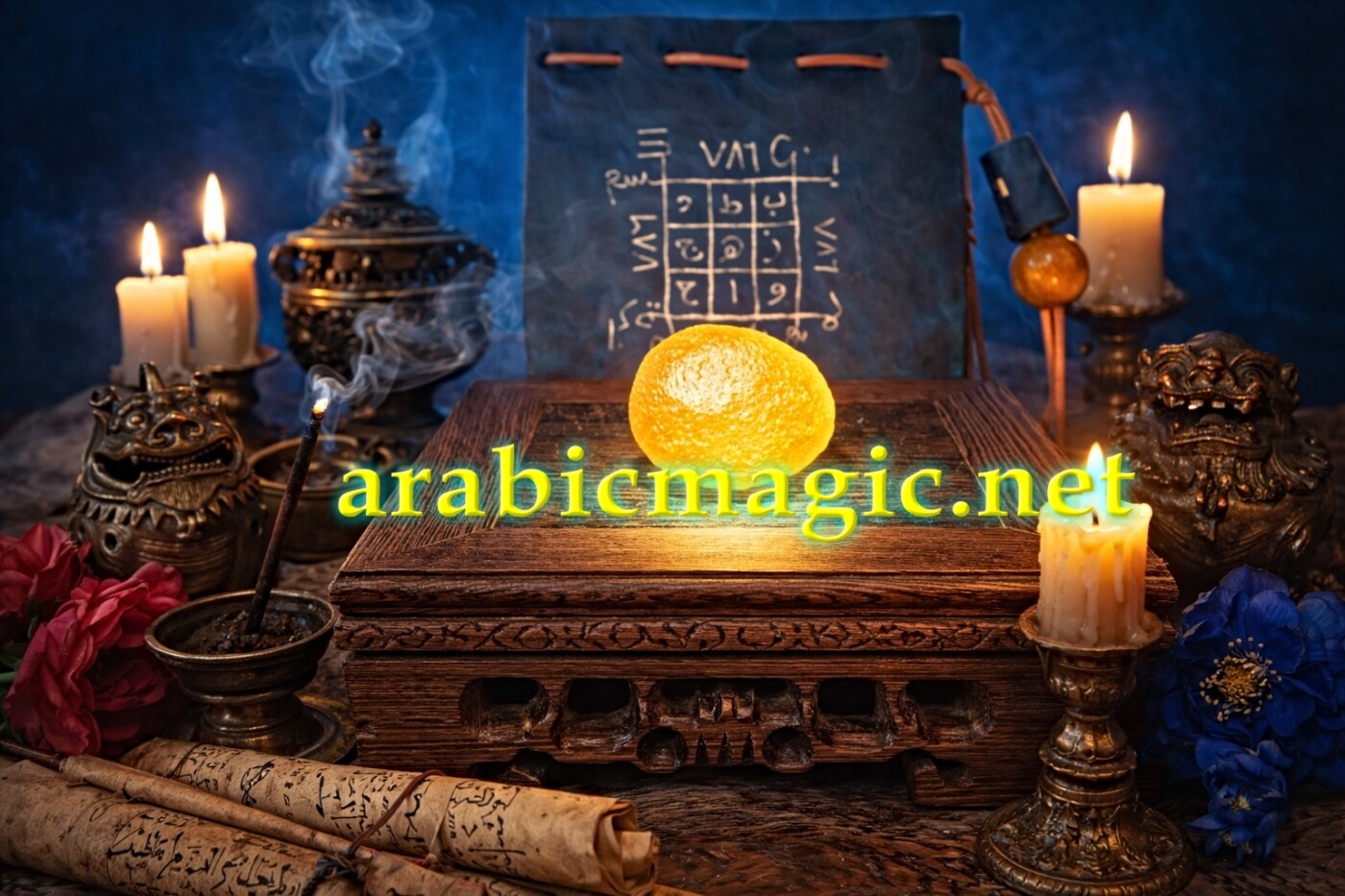
The story begins long before borders, when caravans still crossed the desert guided by stars and memory. A young guide named Idris once lost his way during a sandstorm that swallowed sound and direction alike. His camels scattered, his water was nearly gone, and the wind flayed his skin raw. As night fell, Idris collapsed near a half-buried rock. When he pressed his palm into the sand to rise again, his fingers closed around something hard and smooth. He pulled free a small yellow pearl, warm despite the cold night air. The storm quieted soon after. By morning, Idris found his camels resting nearby, untouched, as if the desert itself had returned them.
Word of the pearl spread in whispers, not boasts. Idris never claimed it saved him, only that misfortune seemed to step aside wherever he walked. Bandits missed him by minutes. Illness passed him over. When his caravan was ambushed years later, a blade meant for his heart shattered on the pearl sewn into his robe. The object cracked, releasing a sharp scent like rain on hot stone, and then crumbled into dust. Idris survived, but he never found another. The elders later said that Zahret al-Qadr protected only once, and only fully, before returning to the desert.
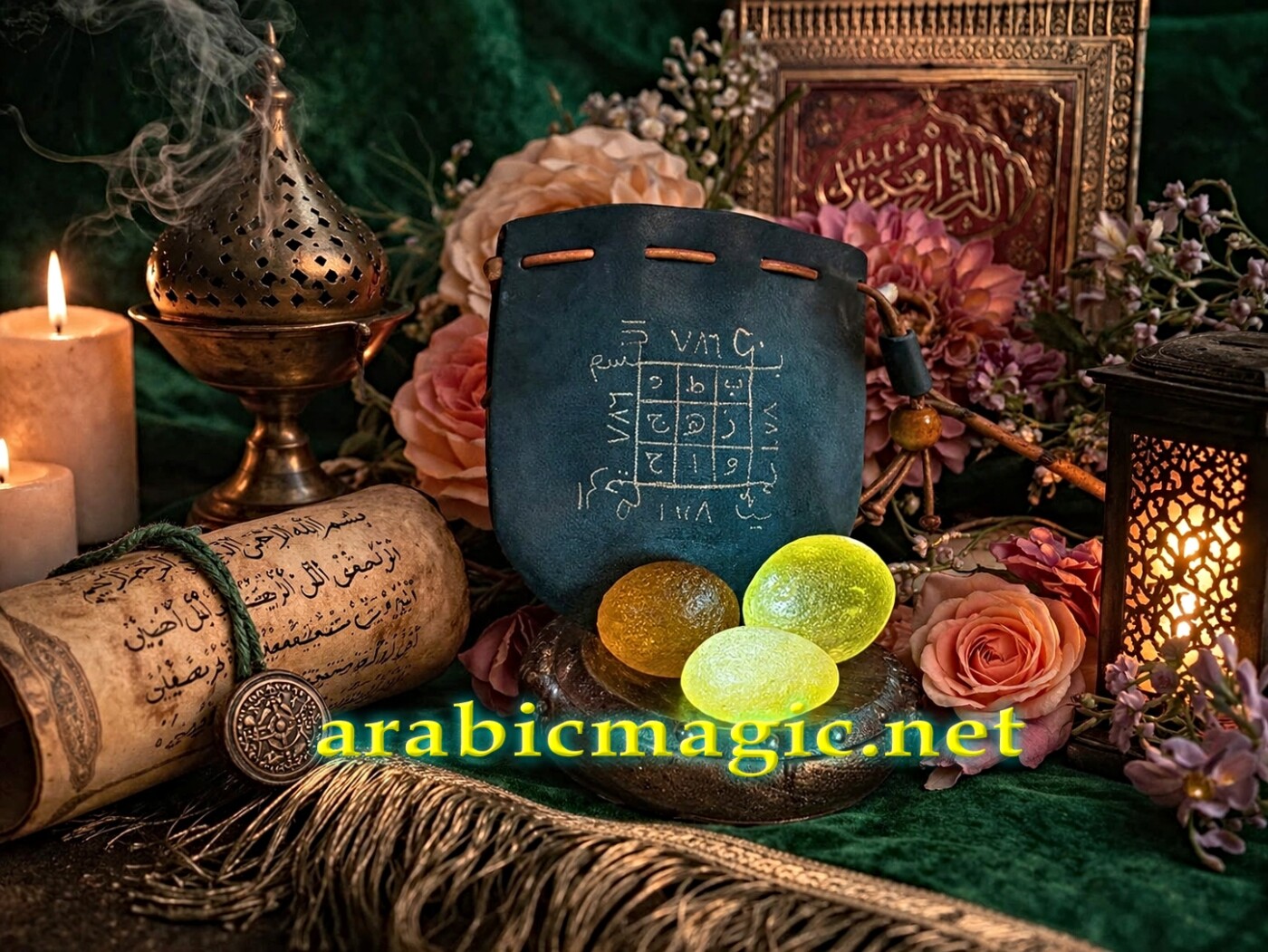
As centuries turned, more stories gathered like dunes around the same truth. The pearls were always yellow, the color of early sun and ripe grain, symbols of life held tight against emptiness. Some were pale as straw, others deep as amber. They were never polished by tools, only by sand and time. Those who found them never did so while searching. A woman digging for a lost bracelet unearthed one instead. A child chasing a lizard tripped over a cluster of three, fused together like seeds. Each pearl carried the same weightless heaviness, a feeling that luck was not given freely, but carefully placed.
Protection was their deeper gift. Travelers claimed that wearing a Zahret al-Qadr turned aside evil intentions before they formed. A jealous thought would soften. A raised hand would hesitate. Even spirits, the unseen wanderers of the desert, were said to keep their distance. One tale tells of a widow named Salma whose tent stood alone after her tribe moved on. Night after night, shadows gathered at its edge, whispering her name. She hung a yellow pearl at the entrance, and the whispers faded, replaced by the sound of wind moving gently, as if in respect.
Still, the pearls demanded balance. Excess greed broke their charm. A merchant once collected five and boasted that he had bent fate itself. His caravan prospered until it reached a narrow pass, where a simple stumble sent chests tumbling into a ravine. No one was hurt, but the pearls were gone, scattered beyond recovery. The lesson repeated across generations. Zahret al-Qadr did not multiply fortune endlessly. They guarded what already existed. Life, breath, home, the fragile line that kept disaster from becoming final.
Scholars later argued whether the pearls were natural, perhaps a rare mineral shaped by pressure and heat. Others claimed they were remnants of ancient prayers, solidified by time and belief. The desert people never bothered with such questions. To them, meaning mattered more than origin. The pearls were not owned, only carried. They were stitched into clothing, hidden in saddlebags, or tied to a child’s wrist with red thread. When danger passed, many returned them to the sand, pressing them gently into the earth like a seed.
Today, the Sahara keeps its secrets well. Satellites map the dunes, and roads cut paths where caravans once moved slowly. Yet, after certain storms, nomads still say the sand glows faintly at sunrise. Children are warned not to dig too eagerly, but to watch where the desert opens its hand. Somewhere beneath the shifting surface, Zahret al-Qadr wait. Not to make anyone rich, not to grant impossible wishes, but to remind the lucky few that protection is rare, fragile, and never meant to be kept forever.
The magical talismans and amulets that we offer are not commercial products but are entirely handmade charged with the correct Arabic rituals under strict control for performing all necessary requirements and favorable time for their creation. To order, please use the email below: [email protected]