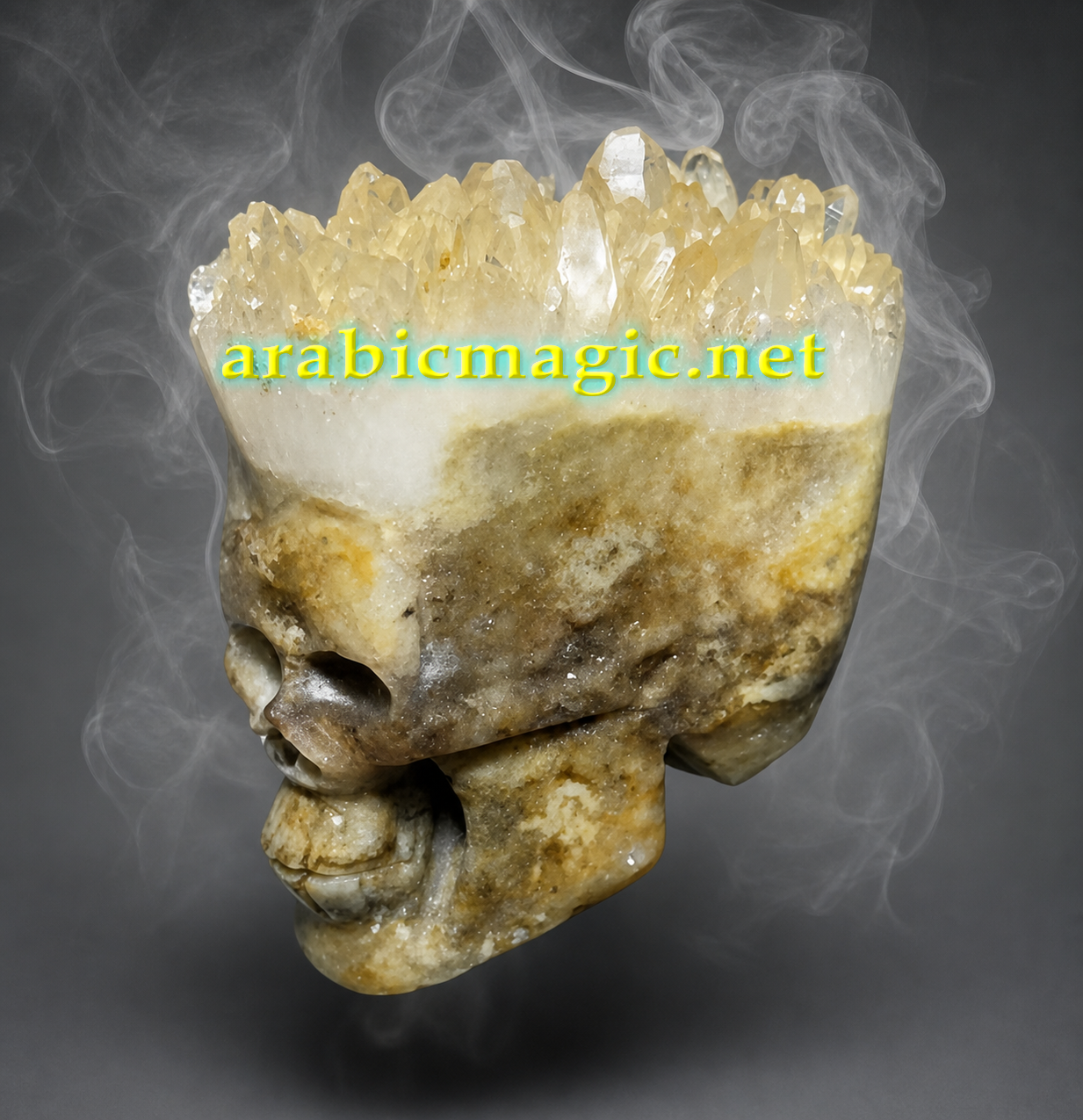
Morocco’s Forbidden Skull Talismans, Cosmic Guardians of Prosperity, Ultimate Arabic Wealth Amulets, Money Flowing & Well-Being Attraction
€350.00
In stock
Description
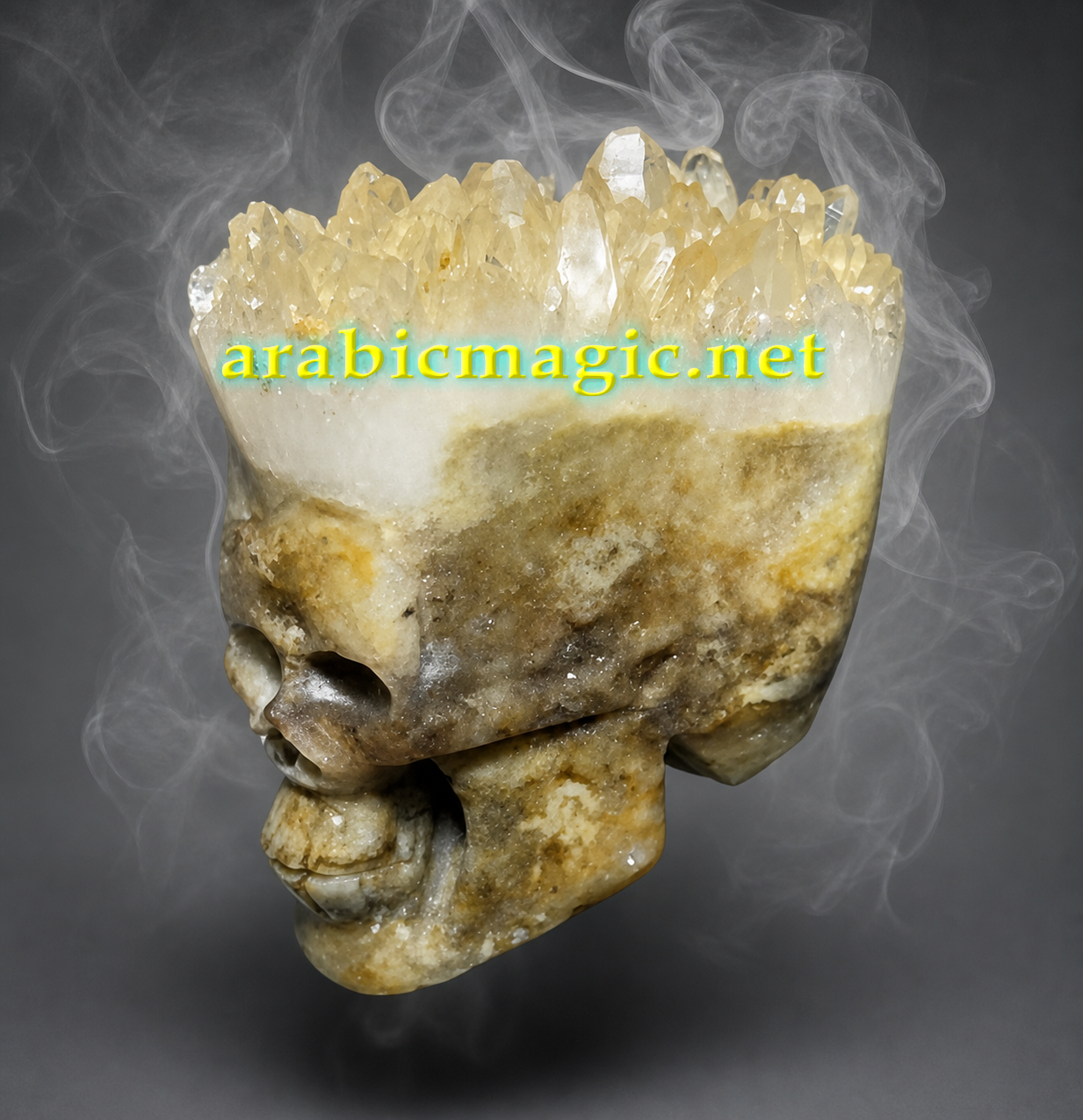
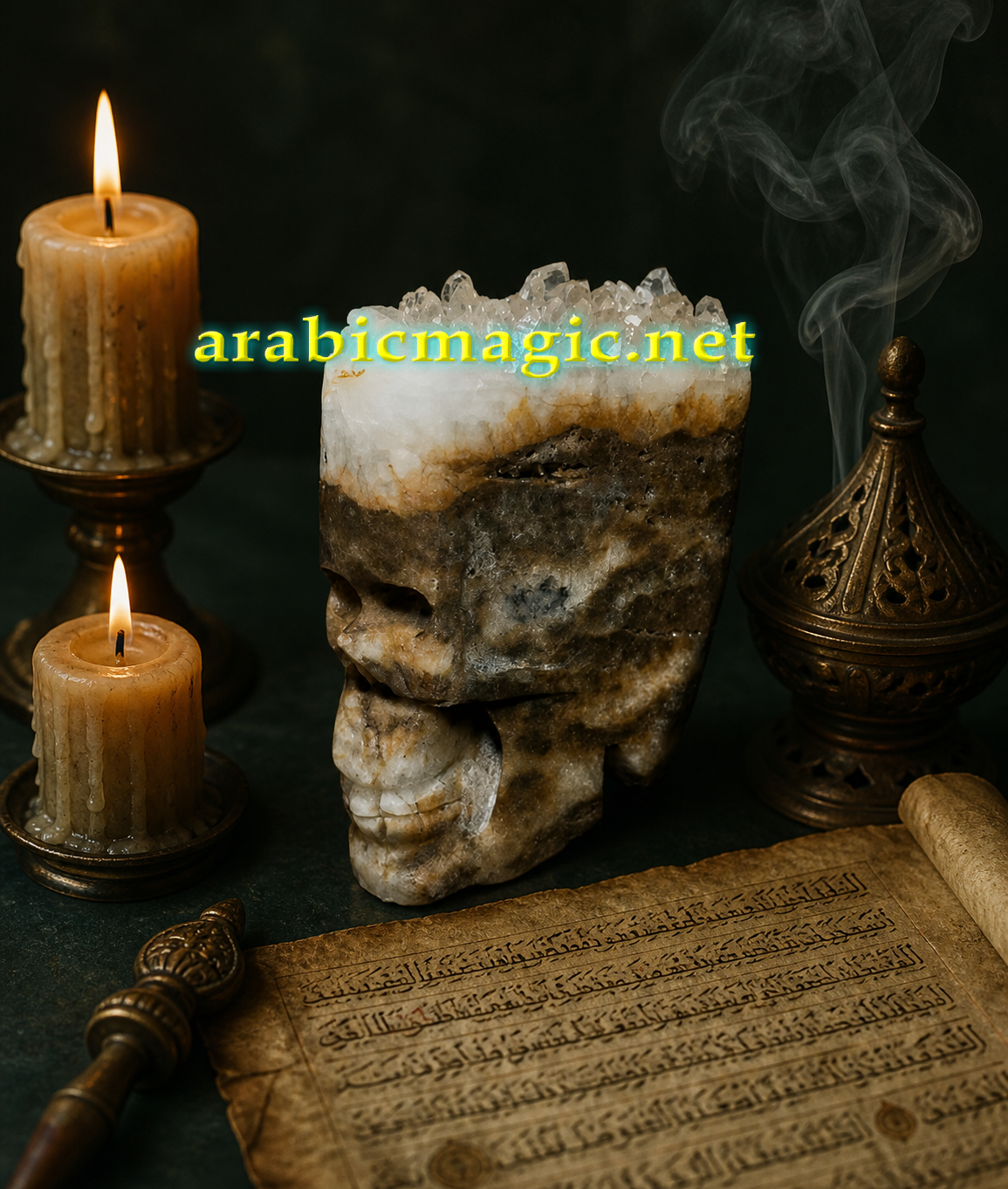
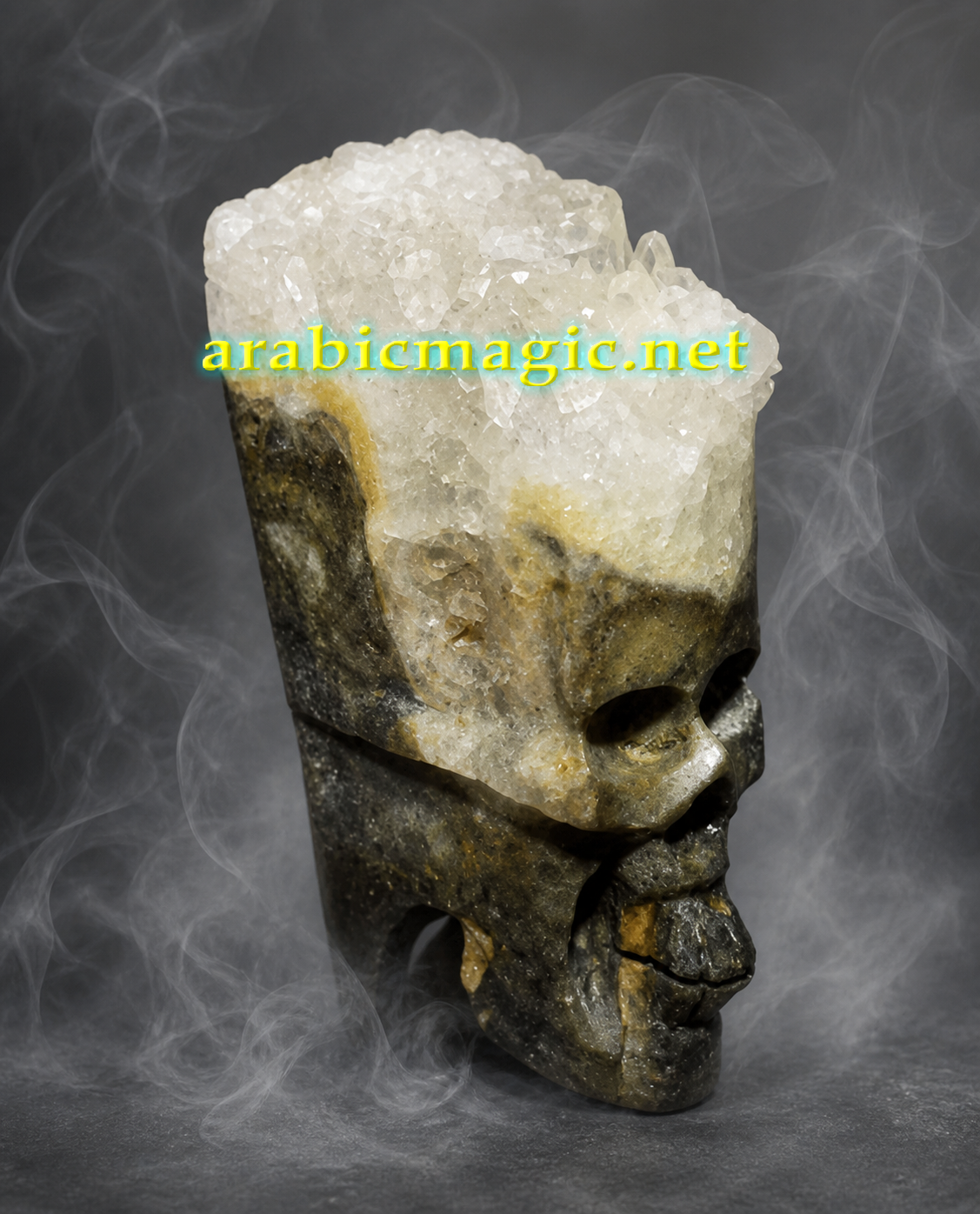
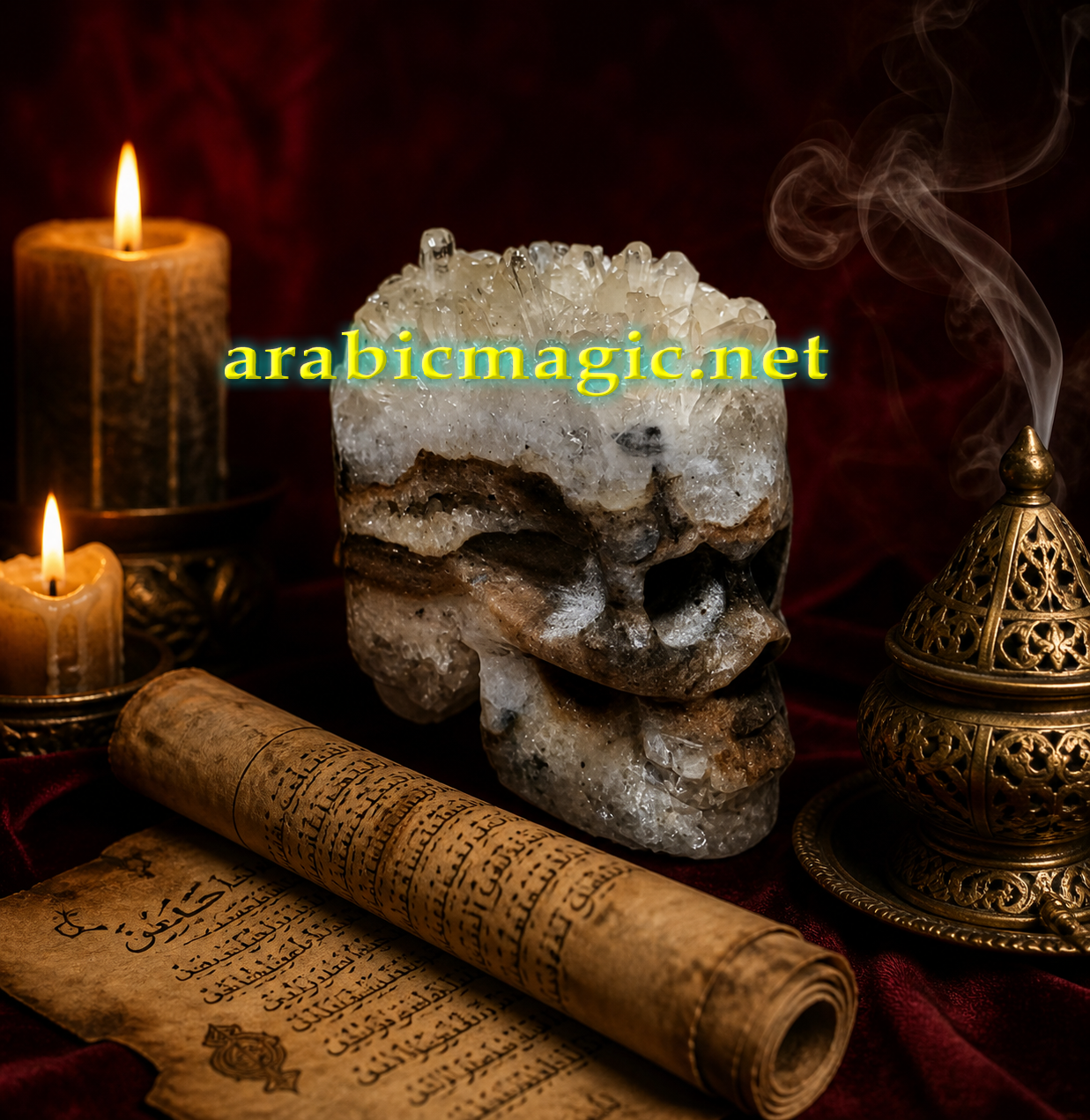
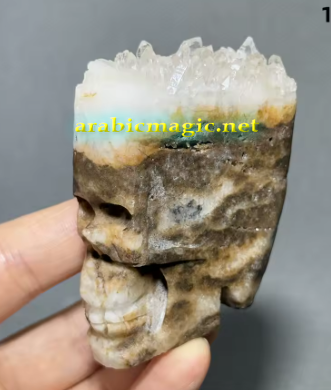
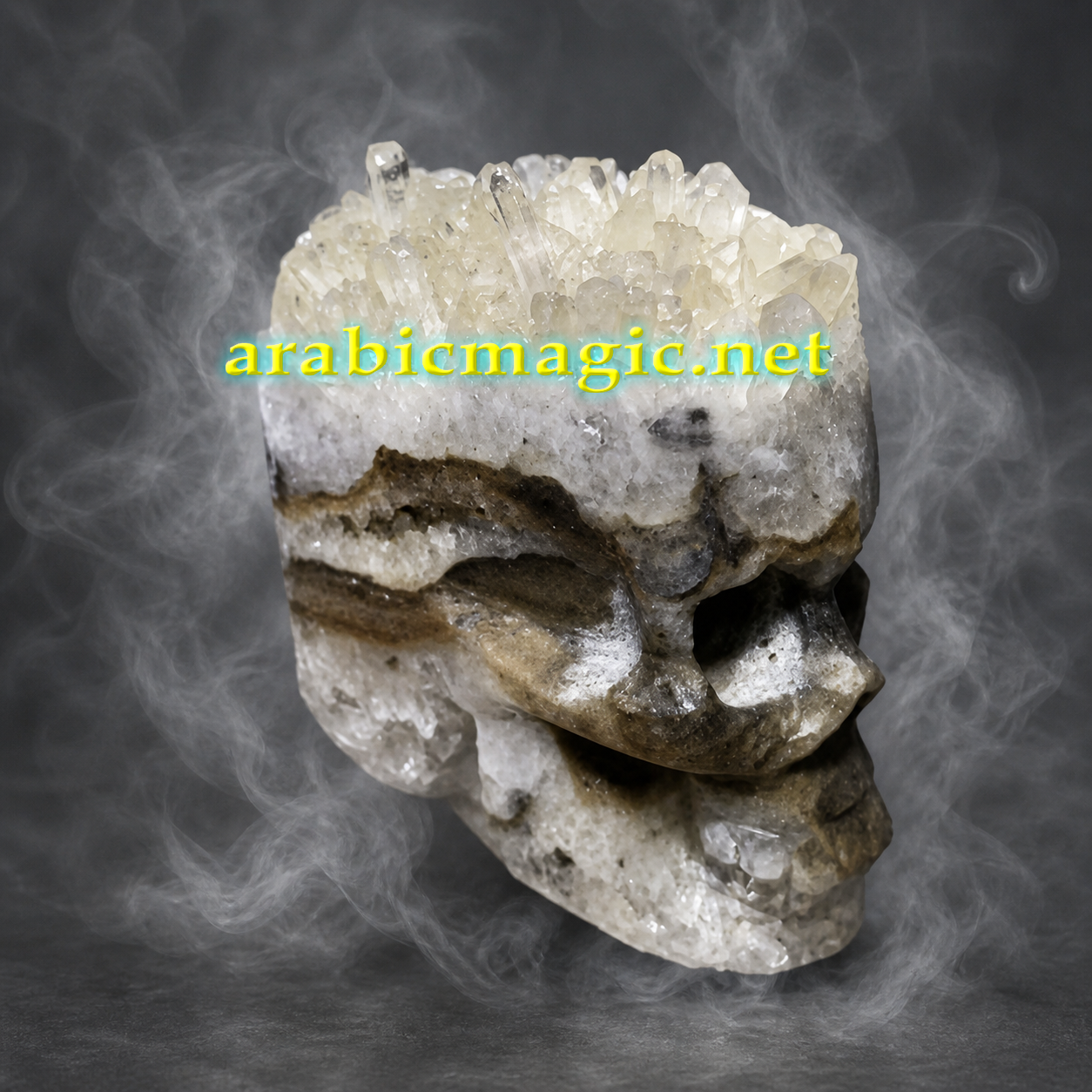
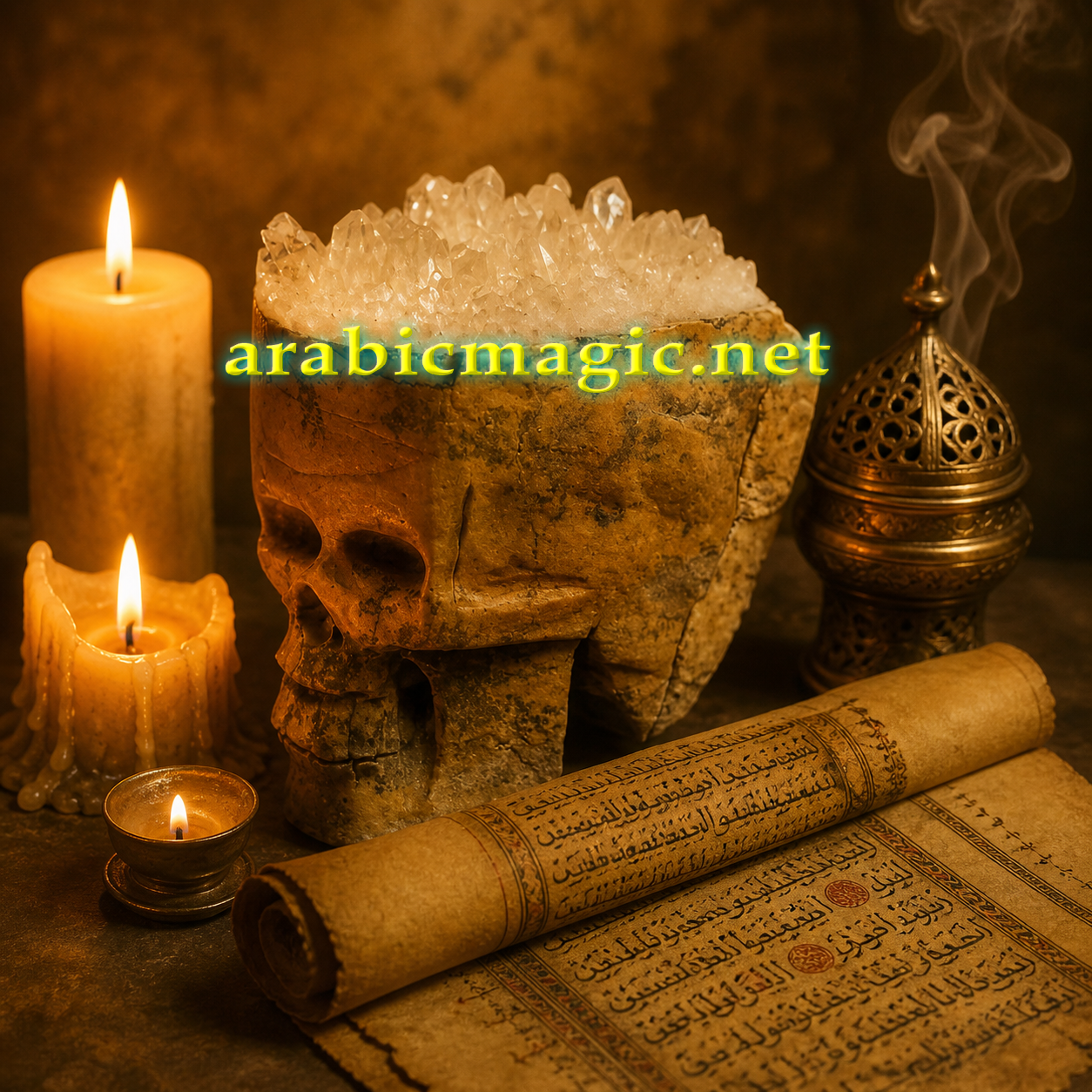
In the hidden circles of early twentieth-century Morocco, stories began to spread about a secretive bloodline of magicians who guarded a collection of mysterious skull-shaped amulets unlike anything known in ordinary folklore. These objects were never treated as decorations, symbols of death, or instruments of fear. Instead, they were believed to hold an ancient current of cosmic force that could shape destiny itself. According to scattered records preserved by private collectors and oral historians, the amulets belonged to an old magical family whose origins stretched back through centuries of occult scholarship, astronomy, and spiritual discipline. The family lived far from the public eye and avoided direct involvement in politics or religious authority, yet rumors about their influence traveled through trading ports, desert settlements, and royal courts. Wealthy merchants reportedly sought their counsel before major financial ventures, while tribal leaders consulted them during times of unrest. The skull amulets were said to represent concentration points of universal energy rather than supernatural entities. Those who possessed them believed they could strengthen fortune, protect against destructive intentions, and attract prosperity into every part of life. Even today, the legend survives because only seventeen of these amulets were ever known to exist, and many vanished without explanation during the political and economic upheavals of the last century.
The creation of the seventeen skull amulets is closely tied to a rare astrological event that occurred during the early years of the twentieth century. According to the surviving manuscripts attributed to the Moroccan magical lineage, the family’s astrologers observed a celestial alignment involving Jupiter during its exaltation, a period considered exceptionally favorable for expansion, authority, abundance, and spiritual elevation. In their philosophy, the movement of planets was not merely symbolic but part of a vast energetic structure connecting the heavens to human consciousness. Jupiter, associated with fortune and growth, was believed to radiate a heightened cosmic frequency during exaltation, making it the perfect moment to create objects intended to influence prosperity and protection. The ritual process reportedly lasted several weeks and involved mathematical calculations based on planetary hours, lunar phases, and precise geometric alignments. Contrary to common myths surrounding North African magic, the amulets were not linked to jinn worship, spirit binding, or dark ritual practices. The creators insisted that their power emerged from harmony with universal cosmic energy rather than dependence on entities or hidden creatures. This distinction became central to the legend surrounding the seventeen skulls because the family considered the use of jinn unstable and dangerous. They believed cosmic energy was purer, more balanced, and capable of benefiting humanity without demanding spiritual sacrifice.
Throughout the decades that followed, the seventeen skull amulets gradually became surrounded by stories of extraordinary financial success and political influence. Traders who allegedly possessed one of the skulls were rumored to recover from ruin with impossible speed, while others gained access to unexpected opportunities that transformed their fortunes within a few years. Several accounts mention wealthy caravan owners whose businesses expanded across North Africa after secret meetings with descendants of the magical family. Although no verifiable documents directly prove these claims, the consistency of the stories helped strengthen the legend. Some researchers believe the amulets functioned psychologically by increasing confidence and clarity of thought, allowing their owners to make better decisions during uncertain times. Others insist the effects went beyond psychology and involved a genuine energetic phenomenon tied to the astrological conditions under which the skulls were created. Regardless of interpretation, the reputation of the amulets continued to grow among collectors, occult scholars, and ambitious elites. By the middle of the twentieth century, several of the skulls had disappeared into private collections owned by individuals who rarely spoke publicly about them. Auction records occasionally hinted at anonymous purchases involving unusual artifacts connected to Morocco, but details remained intentionally vague. This secrecy only intensified public fascination with the surviving skulls and deepened the belief that their influence remained active.
One of the most intriguing aspects of the seventeen skull amulets is the protective role they were believed to play against harmful magic and destructive spiritual interference. In Moroccan folklore, fear of envy, curses, and malicious ritual practices has existed for generations, especially among families involved in wealth, politics, or trade. The old magical lineage behind the skulls claimed their creations could shield the human spirit from hostile energies by establishing a stronger connection to universal balance. According to surviving testimonies, the amulets did not attack enemies or generate aggression. Instead, they allegedly created a form of energetic stability around the owner, weakening the influence of harmful intentions before they could manifest physically or emotionally. Stories also describe protection from dangerous jinn encounters, though the skulls themselves were never believed to contain or command such beings. Their role was defensive rather than controlling. The family insisted that negative entities could not easily approach a person whose energy resonated with higher cosmic frequencies. This belief separated the skulls from traditional talismans associated with spirit manipulation. For the guardians of the seventeen amulets, true magical mastery came from alignment with the universe rather than domination over invisible creatures. That philosophy gave the skulls an almost philosophical importance beyond their practical reputation for attracting wealth and success.
As colonial influence expanded across North Africa during the twentieth century, many hidden traditions began to disappear or retreat into secrecy. The descendants of the magical family reportedly became increasingly cautious about revealing information related to the skull amulets. Foreign collectors, scholars, and wealthy travelers developed an intense fascination with esoteric Moroccan artifacts, creating a dangerous environment for those who wished to protect ancient knowledge. Some accounts suggest that several skulls were sold willingly to trusted individuals who promised to preserve them, while others may have been stolen during periods of political instability. By the late twentieth century, researchers could only trace a handful of the original seventeen with any confidence. A few remained inside private collections in Europe and the Middle East, rarely displayed and almost never photographed publicly. Others vanished entirely, leaving behind only fragmented references in letters, diaries, and whispered conversations among occult enthusiasts. The missing skulls became the subject of endless speculation. Some believed they were hidden intentionally by surviving members of the bloodline to prevent misuse. Others argued that certain owners concealed them because revealing possession of such an object could attract unwanted attention, jealousy, or even theft. The uncertainty surrounding their locations added another layer of mystique to the legend and transformed the skulls into symbols of hidden power lost within the shadows of history.
The philosophy connected to the seventeen skull amulets also reflected a unique interpretation of cosmic law that differed from both mainstream religion and popular occult traditions. The Moroccan magicians who created them believed the universe operated through invisible energetic patterns that influenced human destiny in subtle but measurable ways. Wealth, authority, protection, and prosperity were not viewed as random gifts but as conditions that could be encouraged through alignment with universal forces. According to their teachings, every person emitted a spiritual frequency shaped by thoughts, discipline, emotional balance, and celestial timing. The skull amulets were designed to strengthen that frequency and help the owner remain synchronized with favorable currents of cosmic energy. This concept explains why the creators placed such importance on Jupiter’s exaltation during the crafting process. They believed certain moments in time carried greater energetic potential, and objects created during those periods could permanently absorb part of that influence. Unlike traditions centered on worshipping spirits or invoking supernatural beings, the philosophy of the seventeen skulls emphasized personal harmony with the structure of the cosmos itself. Modern researchers sometimes compare these ideas to broader esoteric systems involving astrology, sacred geometry, and metaphysical resonance. Yet the Moroccan lineage maintained its own distinct identity and avoided sharing its full methods with outsiders.
In recent years, interest in the seventeen skull amulets has grown dramatically among collectors of rare occult artifacts and historians specializing in hidden spiritual traditions. Online forums, private archives, and underground publications have circulated conflicting theories about the remaining skulls and the families who may still possess them. Some stories claim that descendants of the original magical bloodline continue to guard secret manuscripts explaining how the amulets were empowered. Others insist that at least two skulls resurfaced briefly during private negotiations involving wealthy collectors in the Gulf region. None of these reports have been verified completely, yet the fascination surrounding the objects continues to expand. Part of the appeal comes from the idea that the skulls represent a forgotten bridge between astrology, mysticism, and practical human ambition. Unlike legends focused purely on fear or destruction, these amulets became associated with success, security, and personal advancement. People drawn to the legend often believe the skulls symbolize mastery over chaos and uncertainty rather than supernatural domination. The idea that an object could harmonize an individual with the greater rhythm of the universe remains deeply attractive in modern times, especially in an age marked by instability and constant competition. Whether the stories are exaggerated or grounded in lost knowledge, the enduring fascination proves that the seventeen skulls continue to occupy a powerful place in the imagination of those interested in hidden history.
Several independent researchers who attempted to trace the origins of the skull amulets encountered repeated references to coded manuscripts written in a mixture of Arabic, French, and older symbolic systems known only within select occult circles. These texts allegedly described complex rituals involving silence, meditation, planetary observation, and strict mental discipline rather than dramatic ceremonies or sacrificial practices. Such details reinforced the belief that the skulls were connected to cosmic consciousness instead of spirit invocation. One recurring theme in these manuscripts was the importance of intention. The creators believed the amulets amplified the deepest motivations of the owner, which is why they were traditionally entrusted only to disciplined individuals capable of controlling greed, fear, and obsession. According to legend, owners who treated the skulls purely as tools for selfish gain eventually lost their influence or suffered personal collapse. The magical family interpreted this not as punishment from spirits but as a consequence of falling out of alignment with universal balance. Prosperity, in their philosophy, required harmony between ambition and wisdom. This moral dimension gave the seventeen skulls a deeper symbolic meaning and distinguished them from ordinary talismans associated solely with luck or wealth. The legends suggest that true power could not exist without self-control and spiritual awareness.
Today, the story of the seventeen skull amulets remains suspended between history and myth. No museum possesses a complete public record of the artifacts, and many details surrounding their creation remain impossible to verify with certainty. Yet the persistence of the legend across generations suggests that these objects carried unusual significance for those who encountered them. They continue to symbolize hidden prosperity, cosmic protection, and the ancient belief that human destiny can be influenced through alignment with forces greater than the visible world. The fact that some skulls remain hidden inside private collections while others are completely lost only strengthens their aura of mystery. Collectors search for clues, historians debate their origins, and occult enthusiasts continue to speculate about the forgotten knowledge of the Moroccan magical lineage that created them under Jupiter’s exaltation more than a century ago. What makes the legend especially enduring is its refusal to rely on fear or dark mythology. The seventeen skulls were never portrayed as cursed objects or instruments of demonic influence. Instead, they represented an attempt to capture universal cosmic energy and direct it toward prosperity, authority, protection, and spiritual balance. Whether viewed as historical artifacts, symbolic creations, or genuine vessels of esoteric power, the skull amulets remain among the most mysterious and compelling legends associated with hidden magical traditions in North Africa.
We have 7 of these magical artifacts. This offer is valid for a certain period of time. With your purchase you will receive a skull selected by us that will best match your astrological chart. To do this, send us your name and date of birth.
The magical talismans and amulets that we offer are not commercial products but are entirely handmade charged with the correct Arabic rituals under strict control for performing all necessary requirements and favorable time for their creation. To order, please use the email below: [email protected]