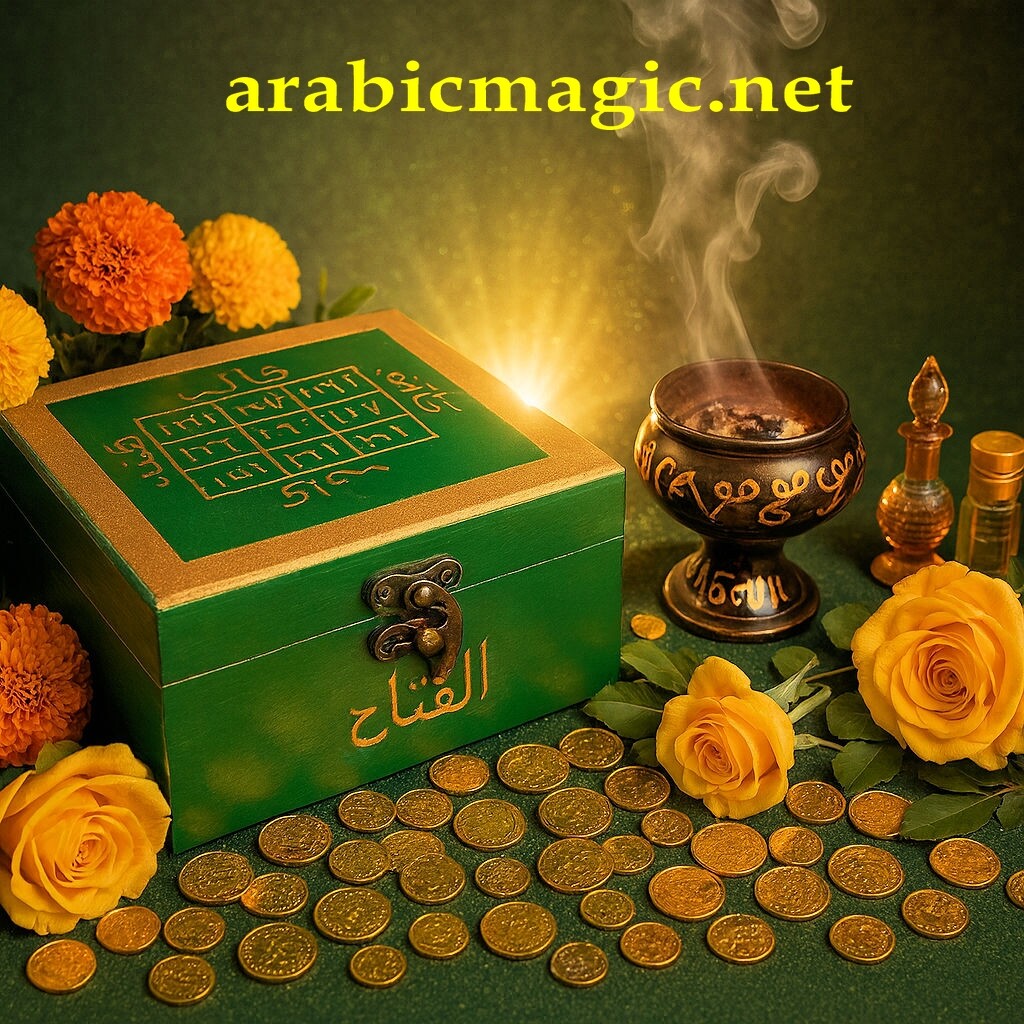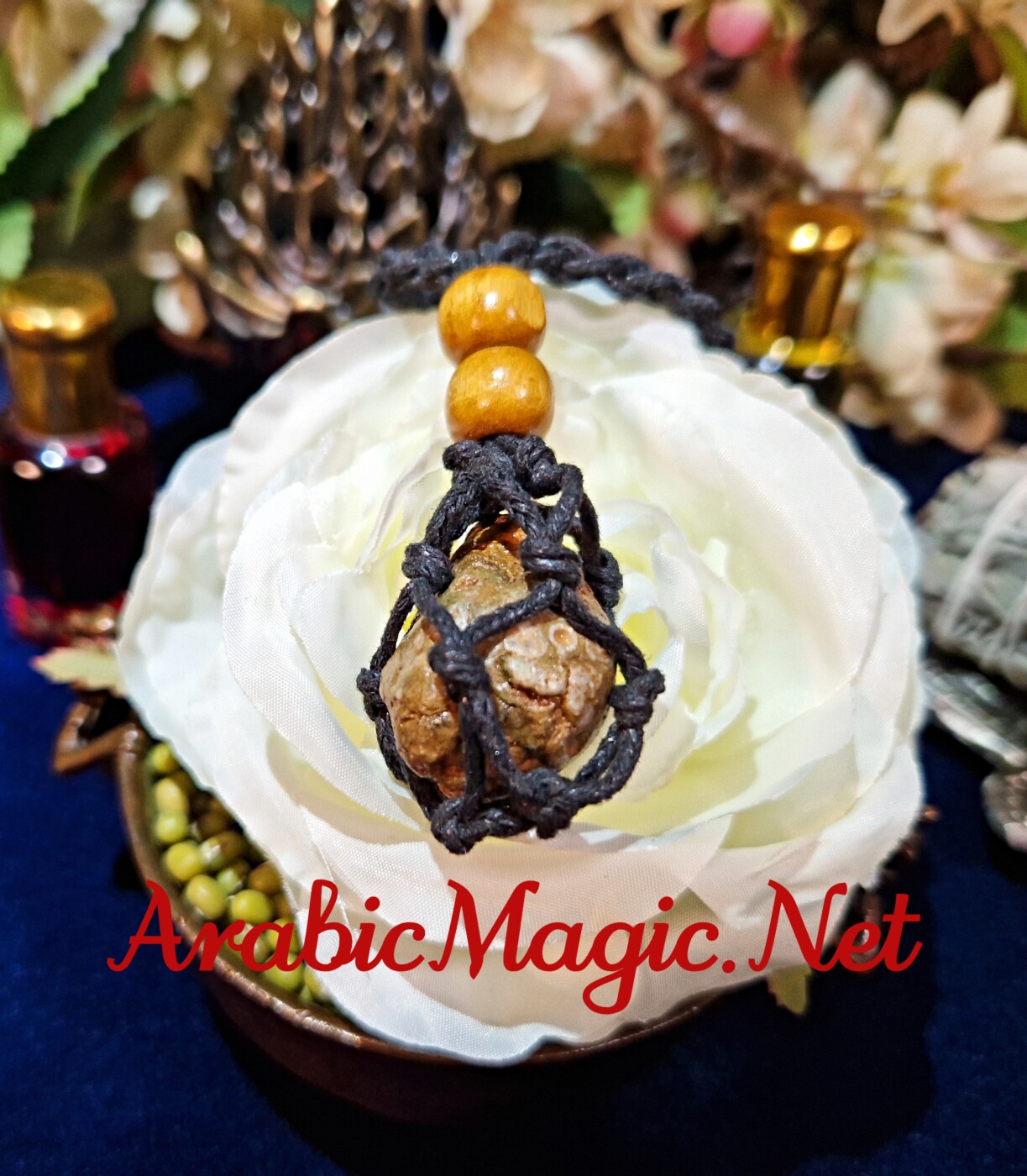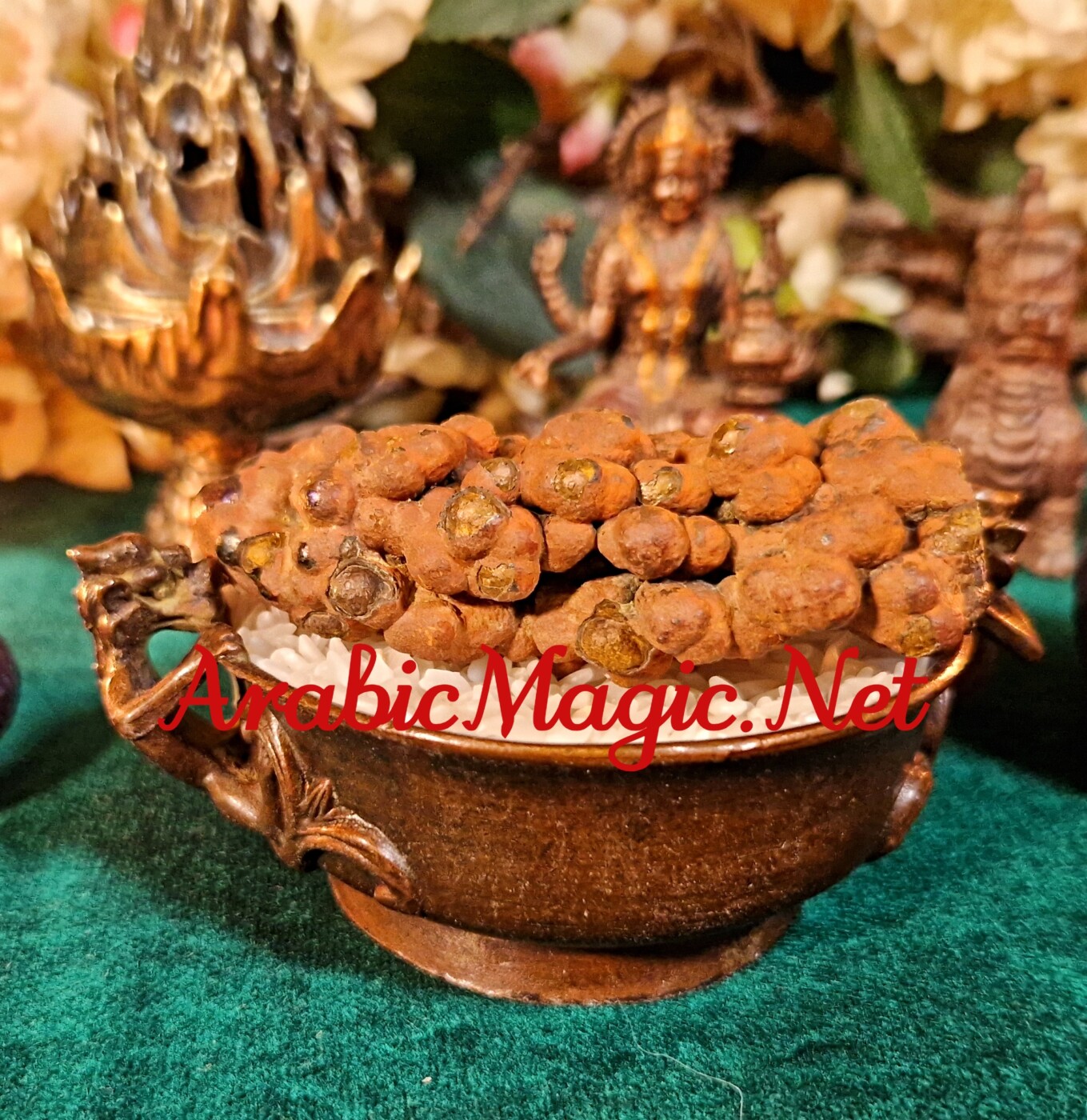
Kaf Al-Baraka, The Lost Artifact of Idris Al-Zahram, Opens the Roads to Prosperity, Wealth & Abundance Attraction, Financial Abundance
€400.00
In stock
Description
At the beginning of the twentieth century, Morocco stood at the crossroads of ancient mysticism and a rapidly changing world. In the crowded streets of Fez, Marrakesh, and Tangier, merchants traded spices, silk, gold, perfumes, and rare manuscripts while storytellers filled the evening air with legends passed down for generations. Among the many names whispered through the bazaars and hidden courtyards, one stood above all others. His name was Idris Al-Zahram, a mysterious Moroccan sorcerer believed to possess knowledge far older than the kingdoms surrounding him. Some called him a sage, others feared him as a master of forbidden arts. Wealthy traders traveled across North Africa searching for his blessings, hoping he could change their fortunes and open the doors to prosperity.
Idris Al-Zahram was born in Fez in 1874 into a family connected to ancient spiritual traditions. From an early age, he became fascinated with hidden sciences, astrology, talismans, sacred geometry, and forgotten rituals preserved inside secret manuscripts. While other children learned ordinary trades, Idris spent his youth studying under wandering mystics, desert scholars, and reclusive spiritual teachers hidden deep within the Atlas Mountains. By the time he reached adulthood, stories about his abilities had spread across Morocco. Merchants claimed that businesses flourished after receiving his blessings. Caravan leaders said he could sense danger before it arrived. Others believed he possessed the rare ability to bind invisible spiritual forces into physical objects. Yet Idris avoided fame and refused to work for people driven only by greed. He believed true prosperity belonged only to those capable of balancing ambition with wisdom.
Everything changed during Idris’s journey through the Sahara Desert in 1902. While traveling near forgotten caravan routes close to Tindouf, he encountered an old wandering dervish whose identity remained unknown. The mysterious traveler spoke about an ancient spiritual force called Barakat Al-Rizq, meaning “the blessing of abundance.” According to the dervish, this force flowed invisibly through the lives of successful rulers, wealthy merchants, and prosperous families throughout history. He claimed there existed a sacred object capable of attracting fortune, opening hidden paths toward wealth, drawing loyal customers, and guiding its owner toward prosperity. Before disappearing into the desert, the dervish warned Idris that such power could never belong to the selfish or dishonest. Prosperity without discipline and generosity, he said, would eventually destroy the person who possessed it.
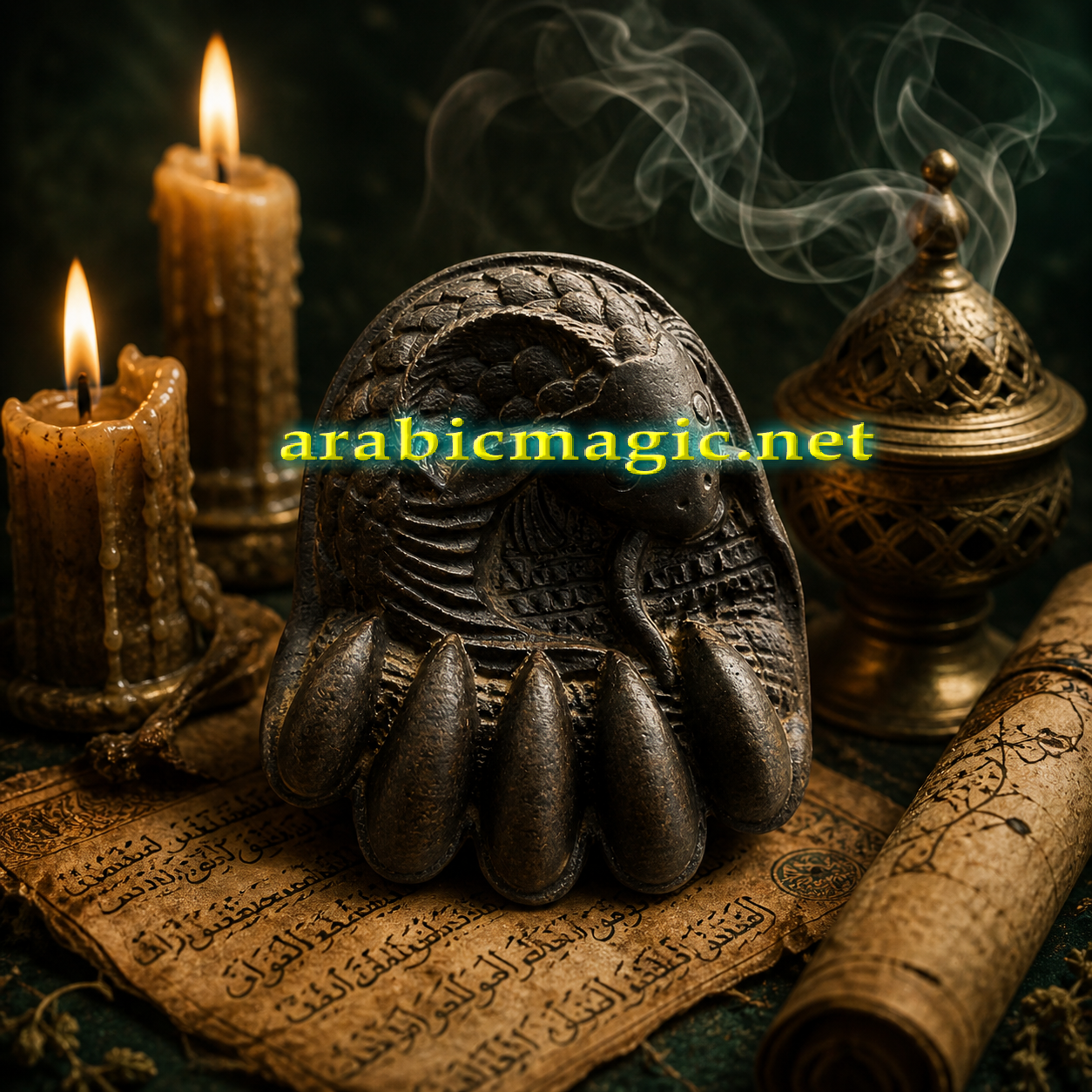
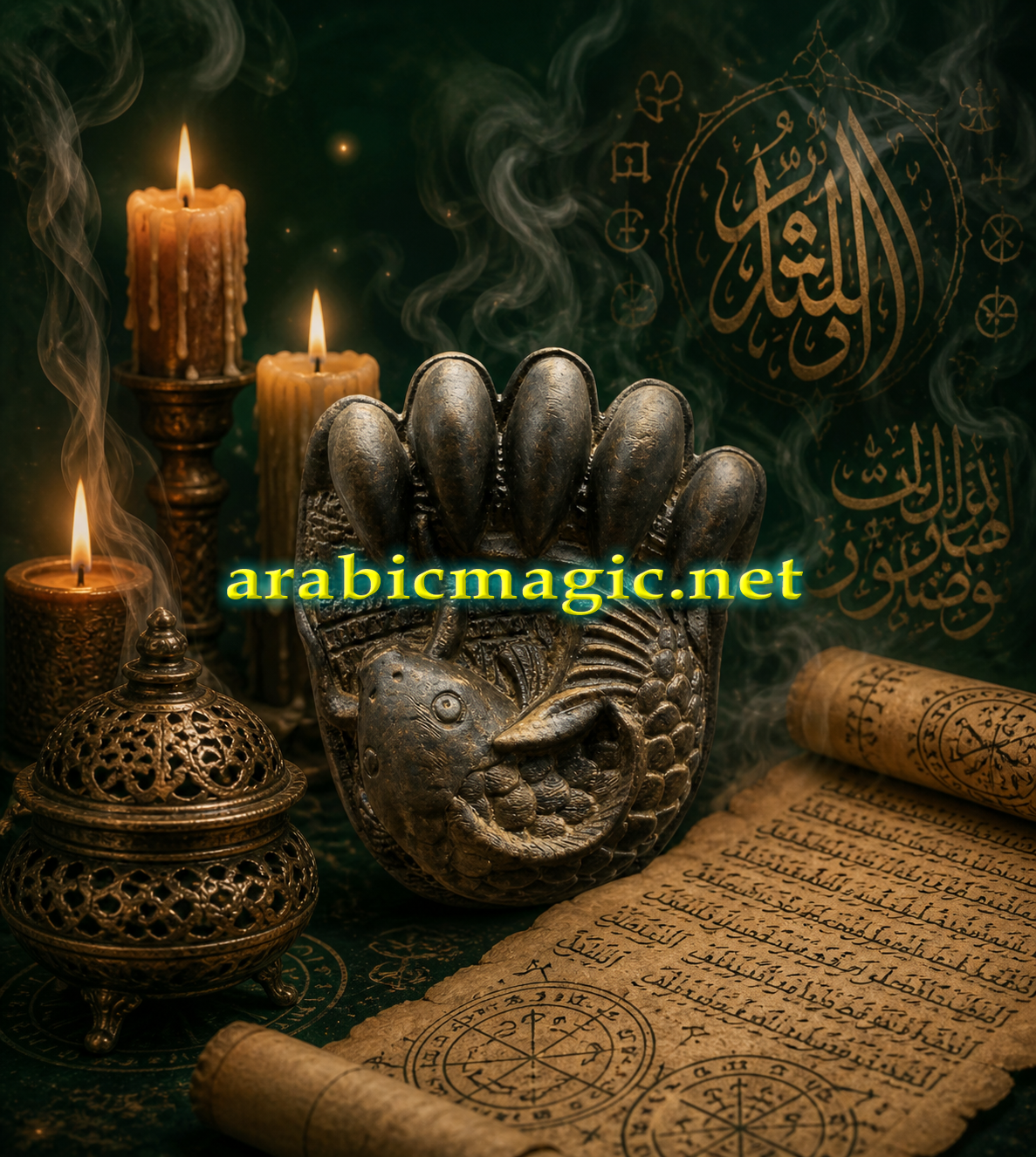
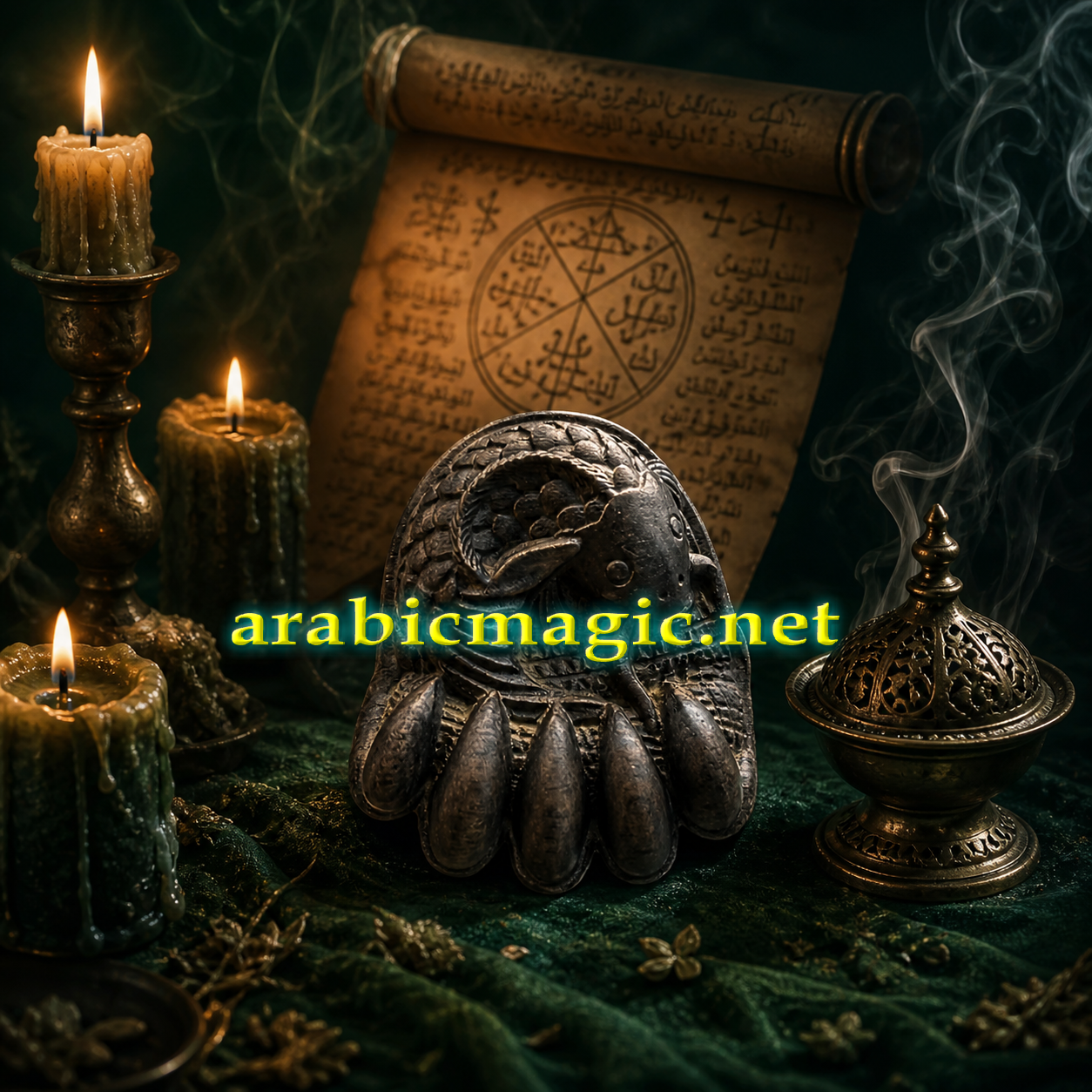
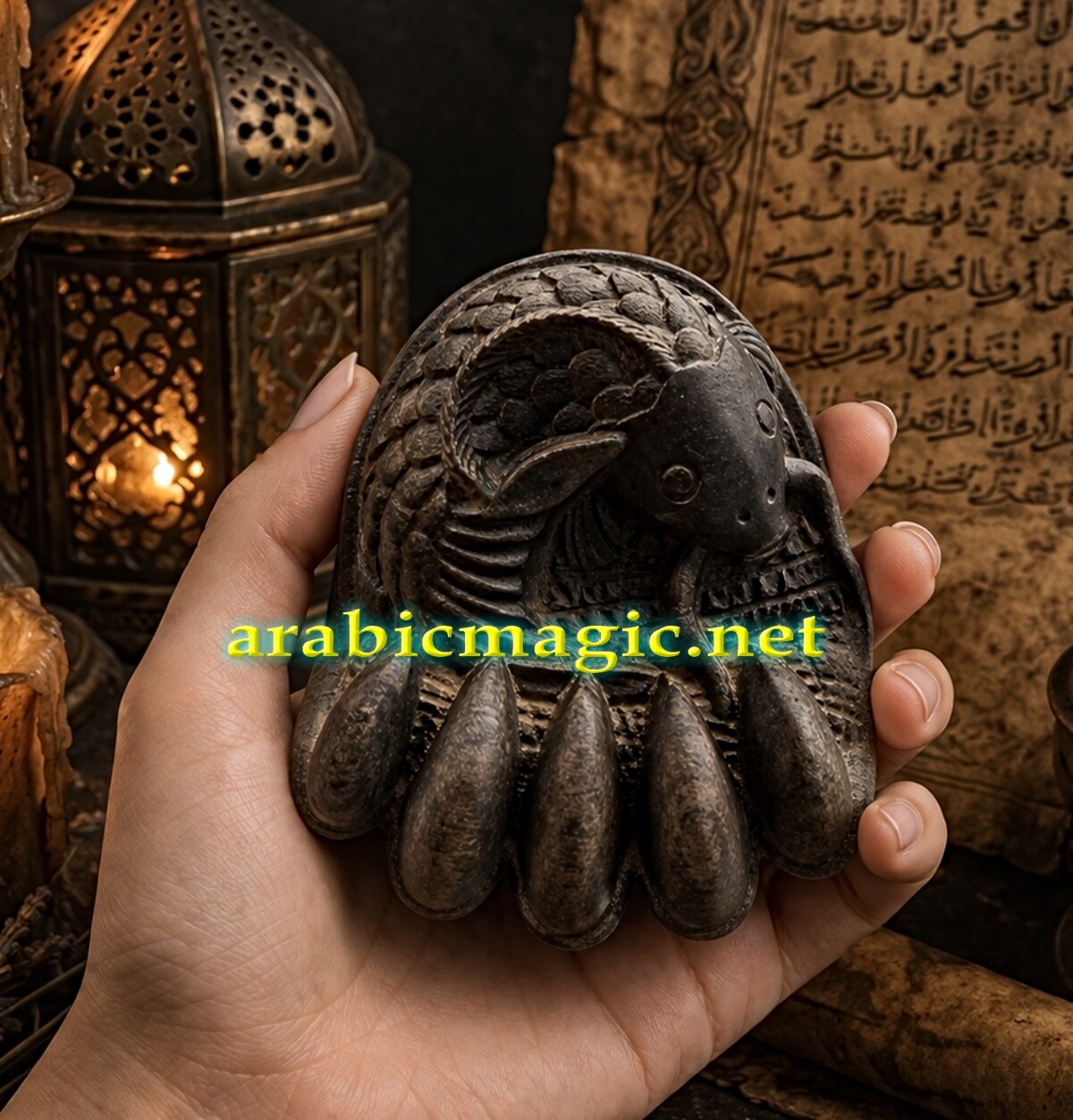
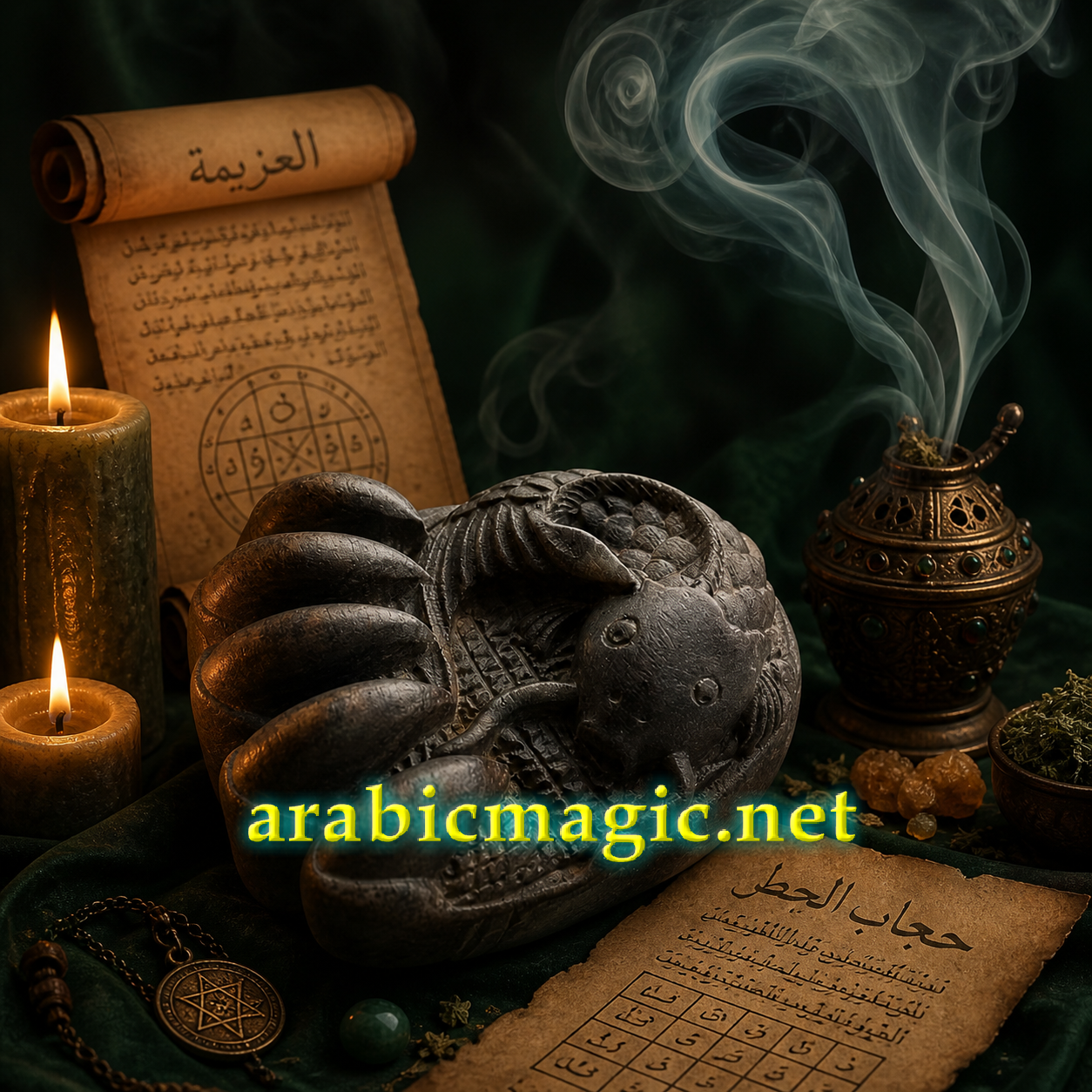
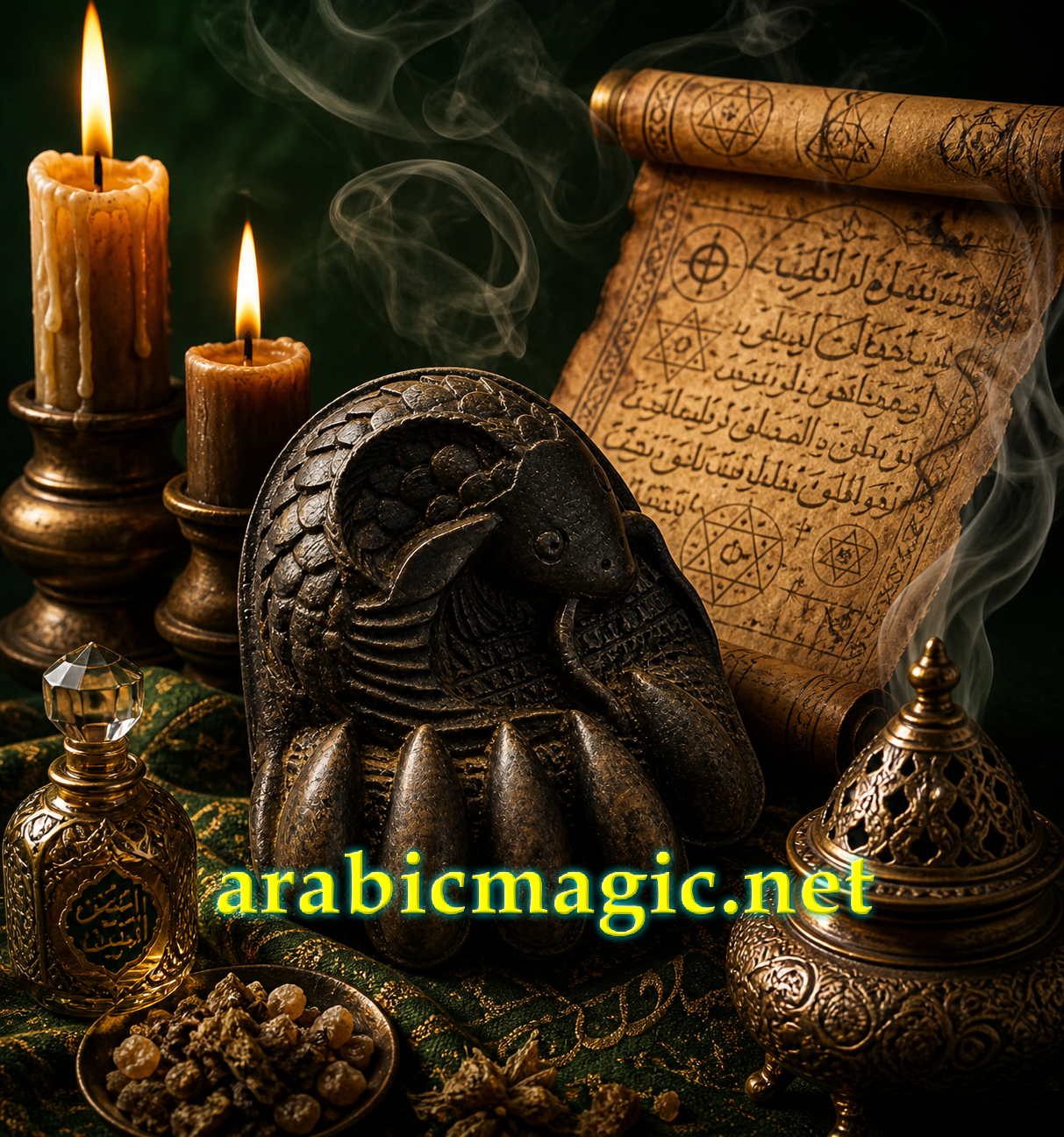
The encounter transformed Idris completely. Upon returning to Fez, he isolated himself from society for almost three years. During that time, neighbors reported strange lights shining from his home late at night while the scent of burning incense drifted through the streets. Rumors spread that he had uncovered forgotten rituals combining Berber spiritual practices, ancient Moroccan mysticism, Andalusian occult traditions, and celestial calculations linked to fortune and destiny. After years of preparation, Idris finally created what would become his greatest and most legendary artifact: Kaf Al-Baraka. The name meant “The Paw of Blessing,” and according to Idris, it carried the spiritual force capable of attracting wealth, abundance, successful partnerships, prosperity, and endless opportunity. Unlike ordinary charms sold in markets, Kaf Al-Baraka was said to work by aligning its owner with hidden currents of fortune and opening roads invisible to ordinary people.
The creation of Kaf Al-Baraka demanded extraordinary sacrifice. Idris performed complex rituals only during rare celestial alignments believed to strengthen the energy of abundance and expansion. Every stage of the process required discipline, prayer, fasting, sacred invocations, and nights of uninterrupted ritual work. Ancient herbs gathered beneath the moonlight burned continuously inside bronze incense bowls while Idris carefully recited forgotten words written in hidden manuscripts older than modern Morocco itself. According to legend, he poured part of his own spiritual essence into every artifact he created. Because of the immense physical and spiritual cost, Idris produced only seven authentic Kaf Al-Baraka amulets during his lifetime. Each one was intended for a specific person chosen by fate rather than social status or wealth.
Stories connected to Kaf Al-Baraka spread rapidly across North Africa after several astonishing events became linked to its owners. One of the most famous involved a struggling spice trader named Youssef Ben Harun from Marrakesh. Before meeting Idris, Youssef faced financial ruin. His debts increased every month, customers ignored his market stall, and competitors constantly stole his business. After helping Idris recover from a severe illness, Youssef received one of the rare Kaf Al-Baraka amulets as a reward. Within months, his life began changing in ways that seemed almost impossible. New customers appeared daily, foreign travelers purchased large quantities of his goods, and profitable partnerships formed unexpectedly. His reputation expanded across Morocco until he eventually became one of the wealthiest spice merchants in the region. Youssef later claimed the amulet did not magically create money from nothing. Instead, it opened unseen opportunities, sharpened intuition, attracted buyers, and guided its owner toward success at exactly the right moments.
Another well-known story involved a widowed textile maker named Salima Al-Hadir from Fez. After her husband’s death in 1917, she struggled to support her children while keeping her small workshop alive. At the time, many traders refused to work with women in business, and Salima stood close to losing everything she owned. Desperate for help, she sought the guidance of Idris Al-Zahram shortly before his disappearance from public life. Moved by her honesty, determination, and kindness, Idris entrusted her with one of the final Kaf Al-Baraka amulets. Over the following years, Salima’s fortunes transformed completely. Her textiles became famous among wealthy families, traders from Europe began purchasing her work, and her workshop expanded into one of the most respected artisan businesses in Fez. Yet Salima became admired not only for her wealth but also for her generosity. She regularly supported struggling widows, apprentices, and poor families, reinforcing Idris’s belief that prosperity must always be shared.
Despite the many stories of wealth and success connected to Kaf Al-Baraka, Idris repeatedly warned that the artifact demanded responsibility from its bearer. According to his teachings, greed weakened the spiritual force surrounding the amulet and could even reverse its blessings. Several darker legends emerged about individuals who attempted to misuse its power. One wealthy smuggler from Tangier allegedly obtained a counterfeit version and tried using forbidden rituals to increase his fortune through deception and illegal trade. Within a year, his ships vanished during violent storms, his business empire collapsed, and his closest allies abandoned him. Followers of Idris believed this proved that Kaf Al-Baraka responded not only to ambition but also to intention. Those driven entirely by greed eventually invited misfortune upon themselves, while those who pursued prosperity with wisdom and discipline unlocked the artifact’s true potential.
In 1928, Idris Al-Zahram vanished under mysterious circumstances. Some believed he died peacefully somewhere within the Atlas Mountains, while others claimed he disappeared deep into the Sahara searching for ancient spiritual knowledge hidden beneath forgotten ruins. No grave was ever found, and no official record explained his disappearance. Yet his legend survived long after his vanishing. Decades later, a manuscript believed to belong to Idris surfaced in Casablanca. Inside its faded pages, he described prosperity not simply as wealth but as “the opening of roads hidden from ordinary eyes.” He wrote that true abundance required courage, discipline, intelligence, and the ability to recognize opportunity when destiny revealed it. Today, collectors, occult historians, and treasure hunters continue searching for the remaining Kaf Al-Baraka amulets. Only a few are rumored to survive in private collections, while the rest are believed lost somewhere across North Africa and the Middle East. Whether myth or truth, Kaf Al-Baraka remains one of the most legendary magical artifacts connected to Moroccan mysticism, forever associated with prosperity, abundance, loyal customers, successful ventures, and the mysterious power of unseen fortune.
The magical talismans and amulets that we offer are not commercial products but are entirely handmade charged with the correct Arabic rituals under strict control for performing all necessary requirements and favorable time for their creation. To order, please use the email below: [email protected]